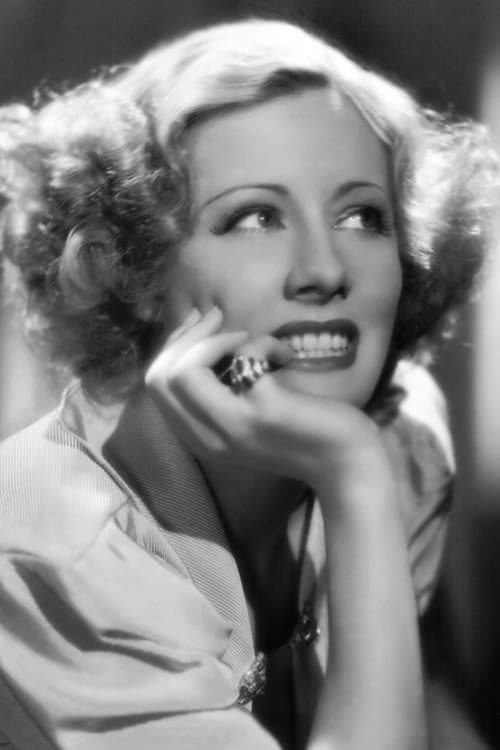
Irene Dunne
Irene Marie Dunne (December 20, 1898 – September 4, 1990) was an American film actress and singer of the 1930s, 1940s and early 1950s. She was nominated five times for the Academy Award for Best Actress, for her performances in Cimarron (1931), Theodora Goes Wild (1936), The Awful Truth (1937), Love Affair (1939), and I Remember Mama (1948). In 1985, she was given Kennedy Center Honors for her services to the arts. She was discovered by Hollywood while starring with the road company of Show Boat in 1929. She signed a contract with RKO and appeared in her first movie, Leathernecking (1930), a film version of the musical Present Arms. Already in her thirties when she made her first film, she would be in competition with younger actresses for roles, and found it advantageous to evade questions that would reveal her age. Her publicists encouraged the belief that she was born in 1901 or 1904, and the former is the date engraved on her tombstone. During the 1930s and 1940s, she blossomed into a popular screen heroine in movies such as the original Back Street (1932) and the original Magnificent Obsession (1935) and re-created her role as Magnolia in Show Boat (1936), directed by James Whale. Love Affair (1939) is the first of three films she made opposite Charles Boyer. She starred, and sang "Smoke Gets in Your Eyes", in the Fred Astaire-Ginger Rogers film version of the musical Roberta (1935). She was apprehensive about attempting her first comedy role, as the title character in Theodora Goes Wild (1936), but discovered that she enjoyed it. She turned out to possess an aptitude for comedy, with a flair for combining the elegant and the madcap, a quality she displayed in such films as The Awful Truth (1937) and My Favorite Wife (1940), both co-starring Cary Grant. Other roles include Julie Gardiner Adams in Penny Serenade (1941), again with Grant, Anna and the King of Siam (1946) as Anna Leonowens, Lavinia Day in Life with Father (1947), and Marta Hanson in I Remember Mama (1948). In The Mudlark (1950), she was nearly unrecognizable under heavy makeup as Queen Victoria. The comedy It Grows on Trees (1952) became her last screen performance, although she remained on the lookout for suitable film scripts for years afterwards. The following year, she was the opening act on the 1953 March of Dimes showcase in New York City. While in town, she made an appearance as the mystery guest on What's My Line? and she also made television performances on Ford Theatre, General Electric Theater, and the Schlitz Playhouse of Stars, continuing to act until 1962. In 1952–53, she played newspaper editor Susan Armstrong in the radio program Bright Star. The syndicated 30-minute comedy-drama also starred Fred MacMurray. She commented in an interview that she had lacked the "terrifying ambition" of some other actresses and said, "I drifted into acting and drifted out. Acting is not everything. Living is." From Wikipedia, the free encyclopedia
Filmography
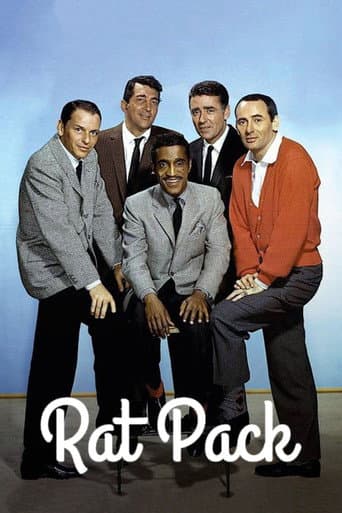
Rat Pack
as Self (archive footage)
Rat Pack
as Self (archive footage)
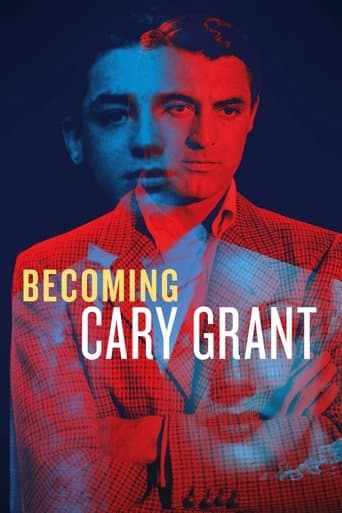
Becoming Cary Grant
as Self (archive footage)
Becoming Cary Grant
as Self (archive footage)
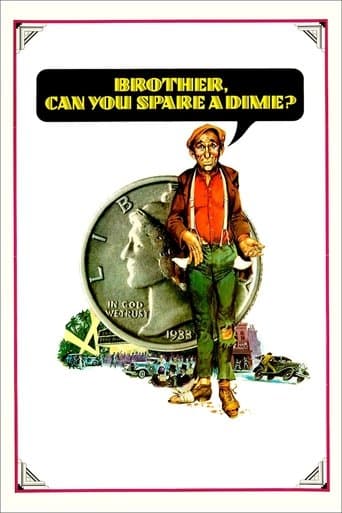
Brother, Can You Spare a Dime?
as Self (archive footage)
Brother, Can You Spare a Dime?
as Self (archive footage)
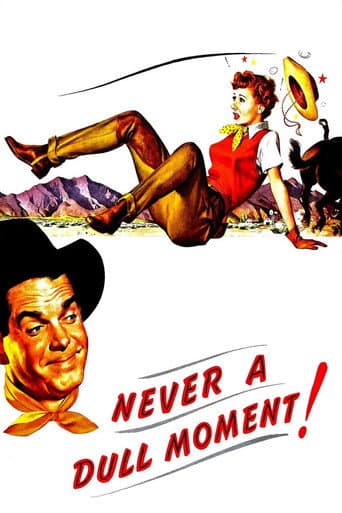
Never a Dull Moment
as Kay Kingsley
Never a Dull Moment
as Kay Kingsley
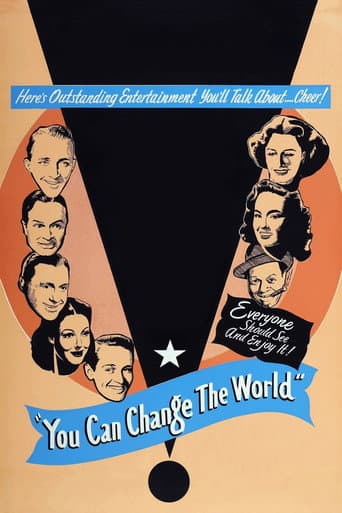
You Can Change The World
as Self
You Can Change The World
as Self
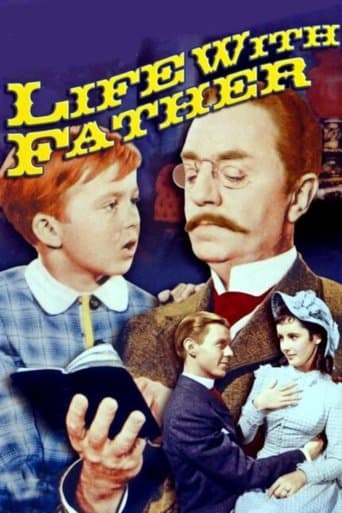
Life with Father
as Vinnie Day
Life with Father
as Vinnie Day
Twenty Years After
as (archive footage)
Twenty Years After
as (archive footage)
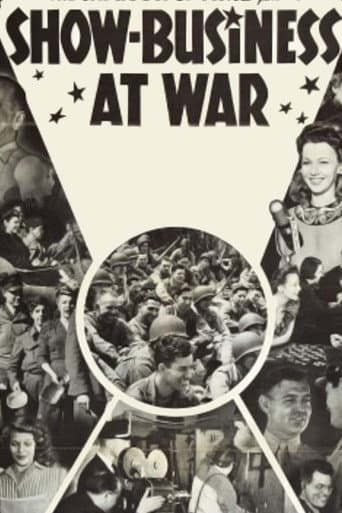
Show-Business at War
as Self
Show-Business at War
as Self
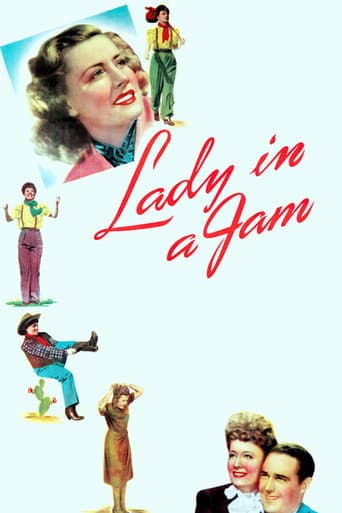
Lady in a Jam
as Jane Palmer
Lady in a Jam
as Jane Palmer
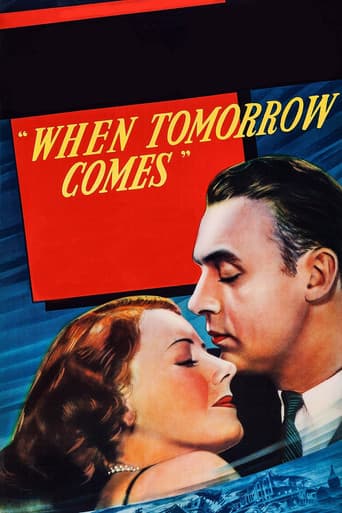
When Tomorrow Comes
as Helen
When Tomorrow Comes
as Helen
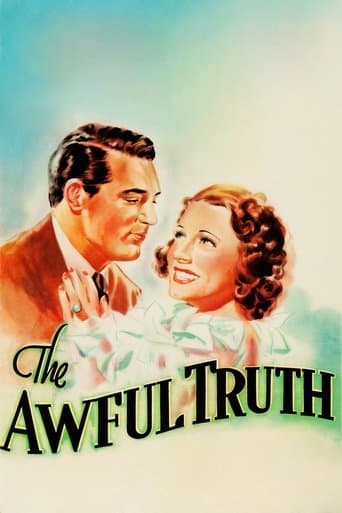
The Awful Truth
as Lucy Warriner
The Awful Truth
as Lucy Warriner
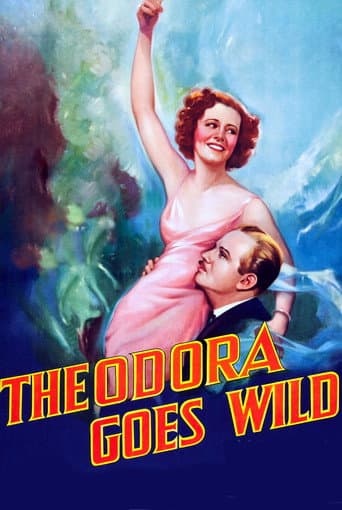
Theodora Goes Wild
as Theodora Lynn
Theodora Goes Wild
as Theodora Lynn
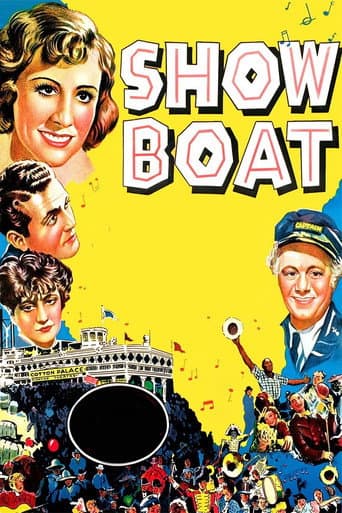
Show Boat
as Magnolia Hawkes
Show Boat
as Magnolia Hawkes
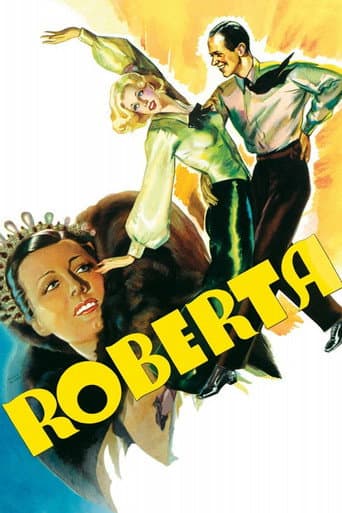
Roberta
as Stephanie
Roberta
as Stephanie
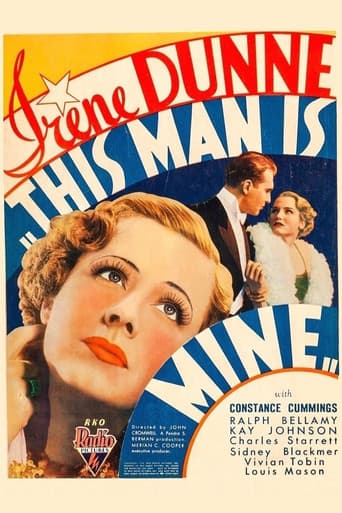
This Man Is Mine
as Tony Dunlap
This Man Is Mine
as Tony Dunlap