MYTHOS DEUTSCHER WALD: Erkundung einer Seelenlandschaft
0.0202152mDE
Directed by Annebeth Jacobsen
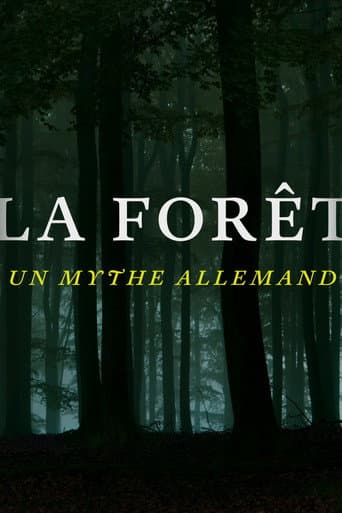
In Germany, the forest is more than the sum of its trees: it is a myth, the backdrop to a grand German drama. When one looks at German cultural history, it is easy to recognize the forest as a recurring theme—and as a topos to which people repeatedly returned in their search for a national identity. German culture, it is said, has its roots in the forest, at least since Germanic warriors defeated the Romans in the Battle of Varus. During the Romantic era, the forest became a place of longing; it was painted, written about in poetry, and celebrated in song—and at the same time, it once again became a symbol of national sovereignty. The Nazis exploited it for their racist ideology—and the “homeland films” of postwar German cinema used it to portray their idealized vision of an unspoiled world. The environmental movement of the 1980s feared for its national sanctuary during the debate on forest dieback—and activists lived in the highest treetops to protect trees from being cut down.